XAUAT News Network— From May 31 to June 2, the 2026 International Symposium on Smart Materials for Energy Efficient Built Environment Control (SMBEC) was successfully held at Xi’an University of Architecture and Technology (XAUAT). The symposium was jointly organized by the International Energy Agency’s Energy in Buildings and Communities Programme (IEA-EBC) and XAUAT, and co-organized by the State Key Laboratory of Green Building, the Technical University of Denmark (DTU), and the École Normale Supérieure (ENS), Paris.
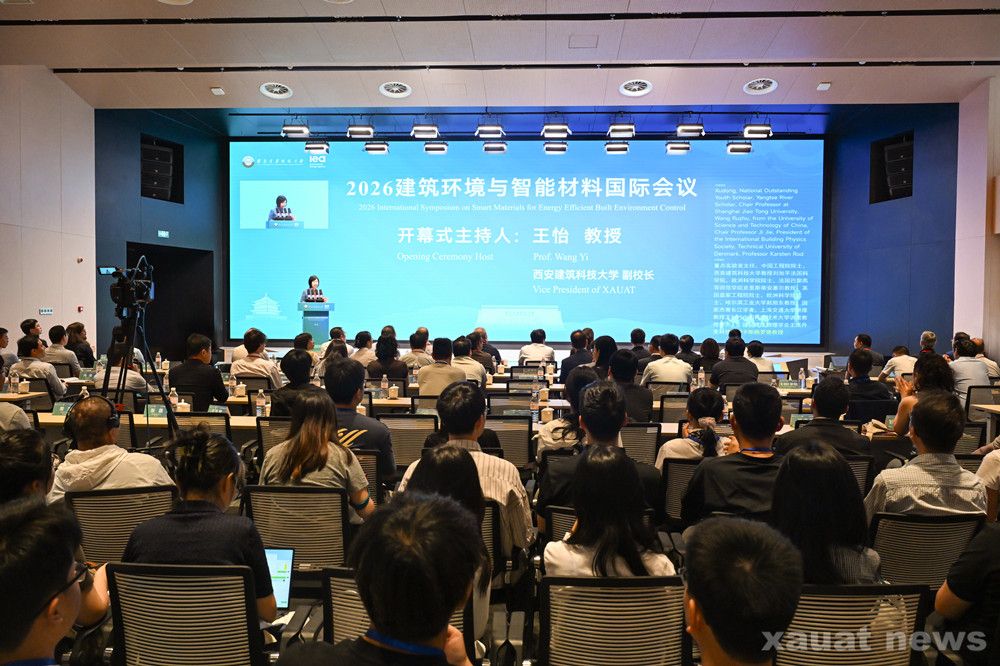
Under the theme of “Innovation and Application of Smart Materials in Building Energy Efficiency and Renewable Energy” the symposium brought together nearly 200 renowned experts, scholars, researchers, faculty members, and students from around the world. Participants from the fields of building science, materials chemistry, HVAC engineering, built environment studies, and low-carbon energy technologies engaged in in-depth discussions on cutting-edge topics, including smart-material-enabled building energy efficiency and carbon reduction, renewable energy utilization, and intelligent control of the built environment. The opening ceremony was chaired by Professor Wang Yi, Vice President of XAUAT.
Opening remarks were delivered by Zhu Xiaowei, Secretary of the CPC XAUAT Committee; Professor Liu Jiaping, Academician of the Chinese Academy of Engineering, Honorary Chair of the Symposium, and Director of the State Key Laboratory of Green Building; Professor Christian Serre, Academician of the French Academy of Sciences and Professor at ENS Paris; Professor Yang Xudong, Vice Chair of IEA-EBC and Professor at Tsinghua University; and Professor Qin Menghao of DTU, Operating Agent of IEA-EBC Annex 92.
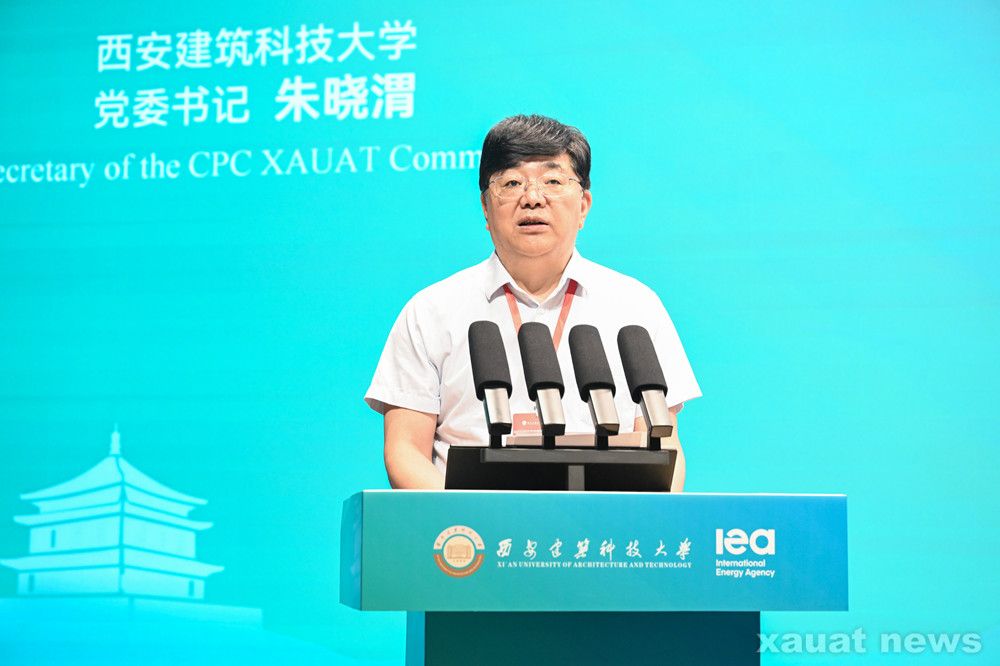
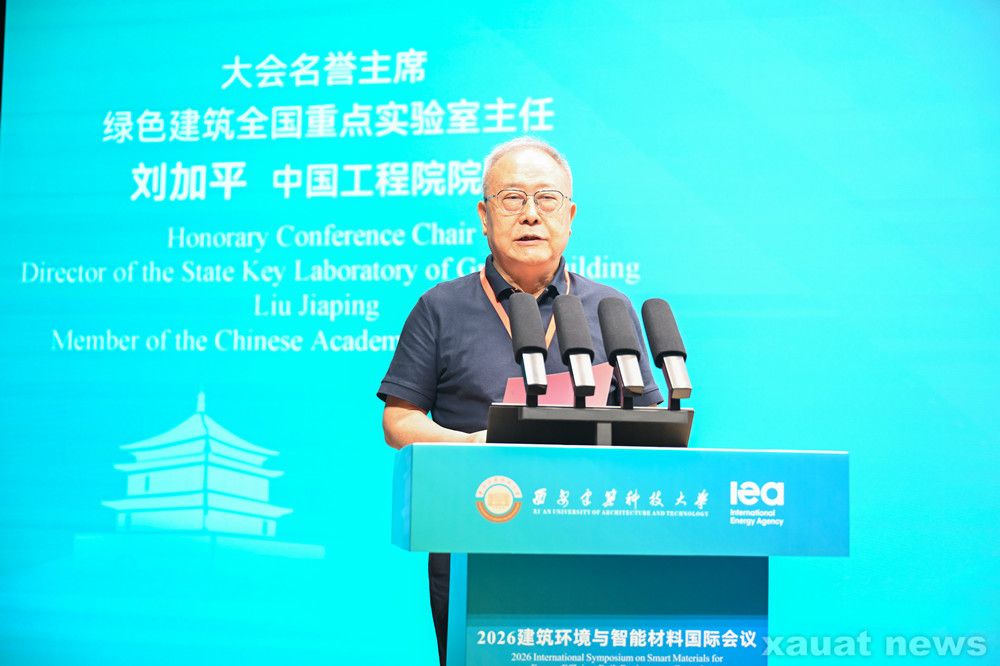
In his address, Secretary Zhu Xiaowei noted that XAUAT has long been committed to advancing high-quality human habitats and promoting innovation in architectural science and technology. The University continues to implement its transformation strategy characterized by “Smart+”, “Green+”, “Healthy+”, and “International+” development. He expressed the hope that the symposium would serve as a platform for further strengthening international academic exchange, collaborative research, and joint talent cultivation, thereby fostering a global innovation community in the fields of building environment and smart materials.Professor Liu Jiaping emphasized that enhancing building energy efficiency, reducing carbon emissions, and improving living environments are shared responsibilities of researchers in the building and construction sector. He encouraged continued efforts in green buildings, climate-responsive habitat development, smart material applications, and renewable energy utilization, with the goal of translating scientific achievements into engineering practice and industrial development.
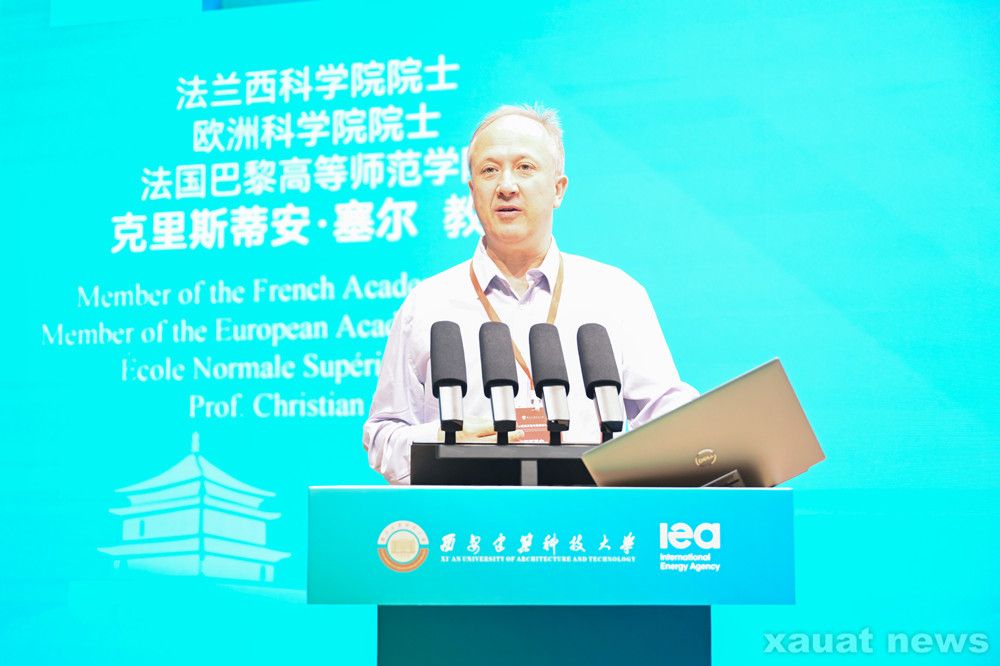
Professor Christian Serre highlighted the tremendous potential of smart materials in the built environment and introduced ongoing research aimed at developing innovative solutions for efficient heating, cooling, dehumidification, air purification, and thermal energy storage.
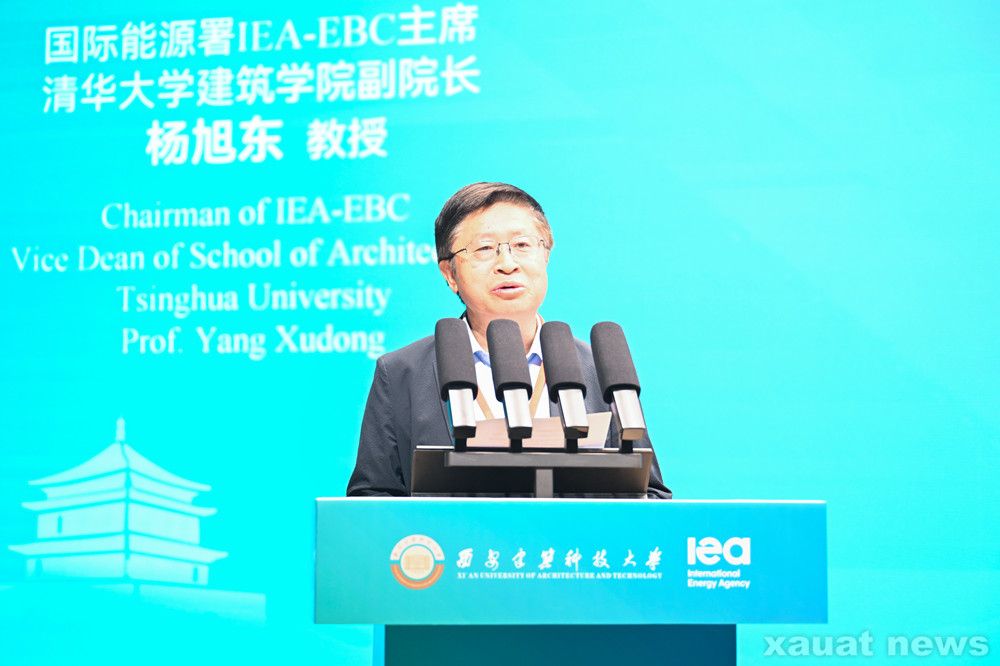
On behalf of IEA-EBC, Professor Yang Xudong expressed appreciation for the organization of the symposium and provided an overview of the programme’s history, development, and future objectives.
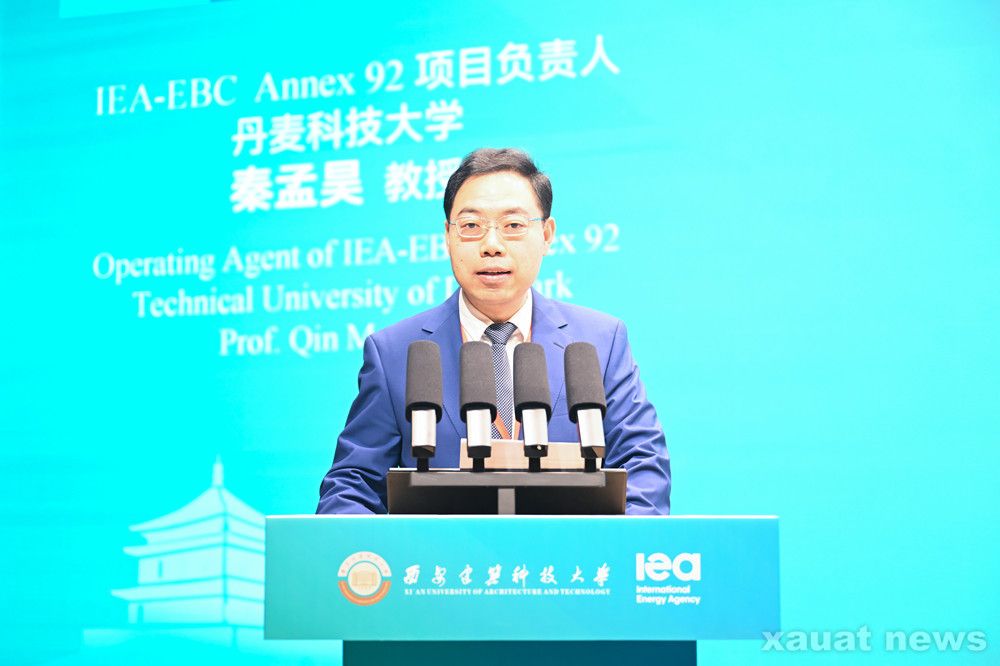
Representing the IEA-EBC Annex 92 project team, Professor Qin Menghao introduced the project's key research objectives and activities. He underscored the importance of interdisciplinary collaboration in addressing challenges in the building sector and expressed his expectation for enhanced academic exchange and cooperation with XAUAT in the future.
The symposium featured four major components: keynote presentations, parallel forums, thematic workshops, and poster sessions. A total of 17 keynote lectures, three parallel forums, and three thematic workshops were organized. Fifty-six experts and scholars from leading institutions, including DTU, Harvard University, University College London (UCL), ENS Paris, the University of Lisbon (ULisboa), the University of Montpellier (UM), Tsinghua University, and Shanghai Jiao Tong University, shared their latest research findings and insights. Discussions focused on three major themes: low-carbon buildings and intelligent environmental control technologies, frontier developments and engineering applications of smart materials, and advanced energy materials for built environment regulation. Participants explored technological implementation challenges, industrial development pathways, and future priorities for the commercialization of smart materials, while exchanging views on the latest scientific advances and emerging opportunities in the field.
At the closing ceremony, Symposium Chair Professor Wang Dengjia expressed his sincere gratitude to all speakers, participants, staff members, and volunteers for their contributions to the success of the event. It was noted that, against the backdrop of global carbon neutrality efforts, the symposium had provided a valuable platform for international and interdisciplinary dialogue on green buildings and smart materials. Through in-depth discussions on materials innovation, energy utilization, environmental regulation, and low-carbon technologies, participants exchanged ideas, shared cutting-edge achievements, and built consensus for future collaboration.
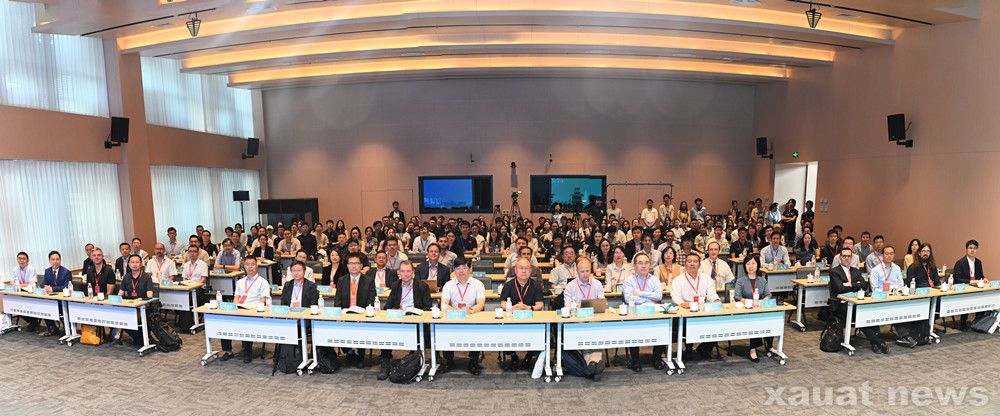
The successful hosting of SMBEC 2026 has established a high-level international platform for academic exchange in the fields of building environment and smart materials, while further promoting interdisciplinary integration among building science, materials science, energy science, and environmental engineering. Looking ahead, XAUAT will continue to support China’s Dual Carbon goals and the green, low-carbon transformation of the construction industry. Leveraging international cooperation platforms and its interdisciplinary strengths, the University will further advance the innovative application of smart materials in building energy efficiency, renewable energy utilization, indoor environmental control, and low-carbon building systems, contributing Chinese wisdom and XAUAT expertise to the sustainable development of the global built environment.